Weather changes can affect pets in more ways than many owners realize. A sudden temperature drop, a hot summer day, heavy rain, or a change in humidity can all influence your pet’s comfort, activity level, and daily routine. Dogs and cats may also face seasonal concerns such as parasites, allergies, slippery surfaces, storms, and changes in daylight.
Understanding how weather changes affect pets can help you make simple adjustments throughout the year. From keeping your pet comfortable indoors to making outdoor time safer, small changes can make a meaningful difference. This guide covers practical ways to protect dogs and cats during changing weather while creating a comfortable home environment in every season.
The Basics You Can’t Miss
Key Principles for Weather Changes and Pets
Essential information and practical principles every pet owner should understand before taking action.
Weather changes can affect your pet’s comfort, activity, and safety. Temperature, humidity, sunlight, storms, and seasonal changes are the main factors to watch.
Things You Should Know About Weather Changes and Pets
Important facts and practical considerations that can help pet owners make informed decisions and avoid common problems.
Adjust outdoor time, water, rest areas, and daily routines based on the current weather and your pet’s needs.
Why Weather Changes Matter for Pets
Understanding this topic can help pet owners make better choices and create a safer, healthier, and more comfortable environment for their pets.
Simple adjustments can help your pet stay comfortable and safe throughout the year.
5 Simple Ways to Keep Pets Safe as Weather Changes
Adjust Outdoor Time
Your pet does not necessarily need the same outdoor routine throughout the year. During very hot weather, consider walking earlier in the morning or later in the evening. During cold or severe weather, shorter outdoor sessions may be more appropriate.
Always pay attention to your pet rather than focusing only on the temperature. If your dog seems unusually tired, uncomfortable, reluctant to walk, or eager to return indoors, it may be time to end the activity.
Keep Fresh Water Available
Changes in temperature can affect how much water your pet needs. Dogs may drink more during hot weather, while indoor heating can contribute to a dry environment during colder months.
Keep clean, fresh water available throughout the day. If your pet spends time outdoors, provide water in a shaded location and check it regularly.
For cats, placing water in a quiet and easily accessible area can encourage regular drinking.
Protect Paws and Skin
Different weather conditions can create different problems for your pet’s paws and skin.
Hot pavement can become uncomfortable during summer, while cold weather can expose paws to ice, snow, or other irritating surfaces. Wet conditions can also leave paws damp for long periods.
After outdoor activities, check your pet’s paws for dirt, debris, moisture, or irritation. Keeping a towel near the entrance can make this routine easier and help keep your floors cleaner.
Pay Attention to Seasonal Pests
Weather changes can also affect insects and other outdoor pests. Fleas, ticks, and mosquitoes may become more active during certain times of the year, depending on local conditions.
Check your pet regularly after outdoor activities, especially if they spend time in grass, wooded areas, or other places where pests may be present. Follow your veterinarian’s recommendations for appropriate parasite prevention.
Create a Comfortable Indoor Space
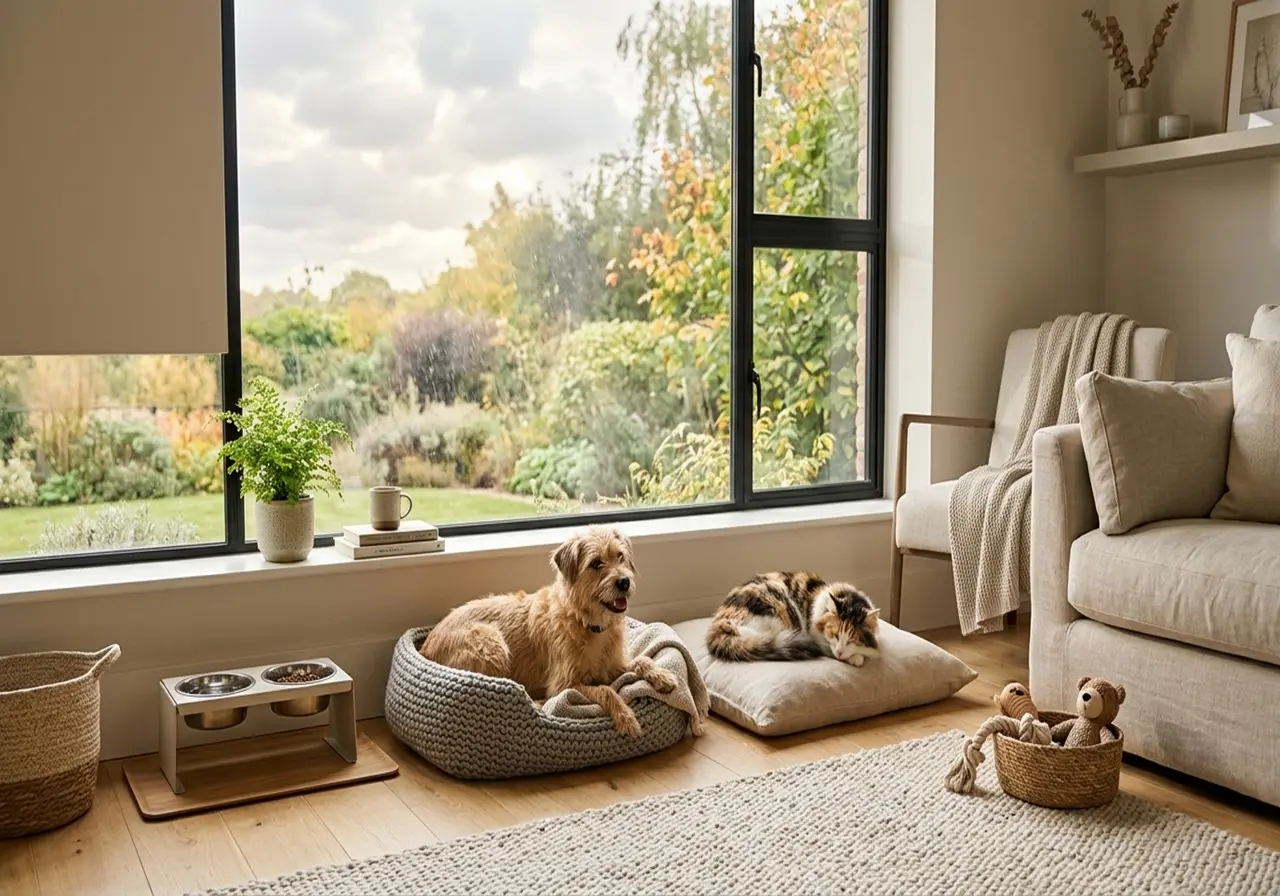
Your home can become an important comfort zone when outdoor conditions are unpleasant.
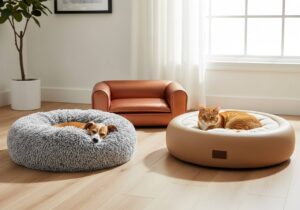
During hot weather, provide a cool, well-ventilated area away from direct sunlight. During colder months, make sure your pet has a comfortable sleeping area away from drafts and excessively cold floors.
A consistent indoor space can also help pets feel more secure during storms, heavy rain, or other stressful weather events.
To help you put these ideas into practice, we’ve selected three practical products that can support your pet’s comfort, safety, and everyday care.
A Helpful Product to Consider

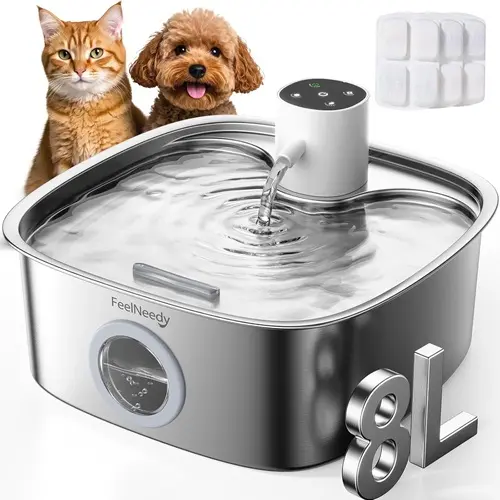
Pet Water Fountain
A pet water fountain provides a continuous flow of fresh water for dogs and cats. The moving water can encourage some pets to drink more often, especially those that are less interested in still water. It can also help keep the drinking area more convenient for everyday use.
Key Features:
1. Continuous Water Flow
Circulating water keeps the bowl moving and may make drinking more appealing to some pets.
2. Filtration System
Many fountains use replaceable filters to help reduce hair, debris, and other particles in the water.
3. Large Water Capacity
A larger reservoir means fewer refills and can be useful for households with multiple pets.

Pet Air Purifier
A pet air purifier is designed to help improve indoor air quality in homes with dogs and cats. Pets can contribute to airborne particles such as dander, hair, and dust. An air purifier with appropriate filtration can help reduce some of these particles and make shared living spaces more comfortable.
Key Features:
1. HEPA Filtration
A true HEPA filter can capture many small airborne particles, including pet dander and fine dust.
2. Pre-Filter
A washable or replaceable pre-filter can catch larger particles such as pet hair before they reach the main filter.3. Quiet Operation
A lower-noise design can make the purifier easier to use continuously without creating unnecessary disturbance for pets or people.
Pet Bed Mat
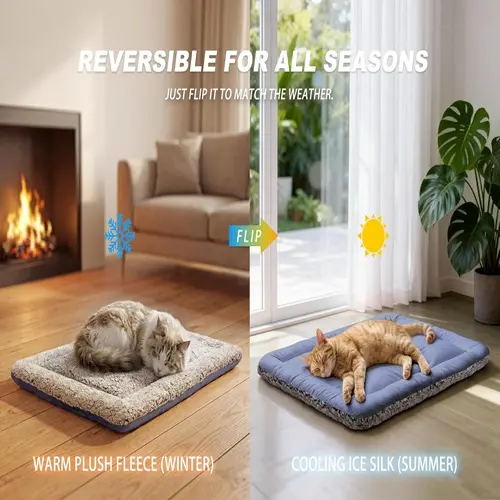
A reversible pet bed provides a comfortable resting surface that can be adapted to different seasons. One side uses a soft fleece surface with a thermal foil layer to help reflect a pet’s natural body heat during colder weather. Its flexible design makes it suitable for use on floors, inside crates, or on furniture.
Key Features:
1. Reversible Design
Warm fleece for colder weather and cooling ice silk for warmer days.
2. Thermal Layer
Helps reflect a pet’s natural body heat for added warmth.
3. Cooling Surface
The ice silk side provides a cool-touch resting surface during warm weather.
4. Easy to Clean
Can be spot cleaned or wiped down for simple maintenance.
Creating a More Pet-Friendly Home
- A pet-friendly home does not need to look like a dedicated pet space. Small changes can make everyday life more comfortable for both pets and people.
- During warmer months, keep your pet’s resting area away from direct sunlight and make sure air can circulate comfortably. In colder weather, consider placing the bed away from exterior doors and cold drafts.
- Entryways are another useful area to organize. Keeping a towel, washable mat, and basic cleaning supplies nearby can make rainy or muddy days much easier to manage.
- You can also create a quiet retreat where your pet can go during storms, loud weather, or busy family gatherings. A familiar bed, blanket, and favorite toy may help make the space feel more secure.
- The best pet-friendly homes combine comfort, safety, and practical organization without sacrificing the overall style of the space.
Common Mistakes to Avoid
Keeping the Same Routine All Year
A routine that works well in mild weather may not be suitable during extreme heat, cold, or storms.
Better approach: Adjust outdoor time and activities according to current conditions.
Ignoring Changes in Your Pet’s Behavior
Pets may communicate discomfort through changes in activity, appetite, sleeping patterns, or behavior.
Better approach: Pay attention to unusual changes and contact your veterinarian when you are concerned.
Leaving Pets in Unsafe Outdoor Conditions
A backyard does not automatically provide protection from extreme weather.
Better approach: Make sure your pet has access to a comfortable indoor area and avoid leaving them outside during dangerous conditions.
Forgetting About Indoor Comfort
Weather affects the inside of your home too. Heating, cooling, humidity, and drafts can all influence your pet’s comfort.
Better approach: Keep your pet’s main resting area comfortable and away from extreme indoor conditions.
Practical Pet Care Tips
- Check the weather before longer outdoor activities.
- Keep fresh water available every day.
- Inspect paws after walks in extreme or wet conditions.
- Keep your pet’s sleeping area clean and comfortable.
- Make sure your pet has a quiet indoor space during storms.
- Watch for unusual changes in behavior when the weather changes.
- Keep seasonal outdoor hazards away from areas your pet can access.
❓ FAQ
Qution #1 How do weather changes affect pets?
A: Weather changes can affect a pet’s comfort, activity level, hydration needs, and daily routine. Temperature, humidity, storms, sunlight, and seasonal pests can all create different challenges. Paying attention to your pet’s behavior and adjusting outdoor activities can help keep them more comfortable throughout the year.
Qution #2 Do dogs and cats react differently to weather changes?
A: Yes. Dogs and cats can have different responses to temperature and weather conditions. Age, size, coat type, breed, health, and individual tolerance can also influence how a pet responds. It is best to consider your individual pet rather than relying on a single temperature rule.
Qution #3 Should pets stay indoors during extreme weather?
A: During dangerous heat, severe cold, thunderstorms, or other extreme conditions, pets generally need access to a safe and comfortable indoor environment. Outdoor time should be adjusted based on the conditions and your pet’s individual needs.
Qution #4 How can I make my home more comfortable for pets during weather changes?
Create a consistent resting area away from direct sunlight, drafts, and high-traffic areas. Keep water available, use washable bedding, and maintain a comfortable indoor temperature. A quiet retreat can also help pets feel more secure during storms or other stressful weather.
Final Thoughts
Understanding how weather changes affect pets makes it easier to adjust their routines throughout the year. Dogs and cats may need different levels of outdoor activity, hydration, protection, and indoor comfort as conditions change. Simple habits such as checking the weather, providing fresh water, inspecting paws, and maintaining a comfortable resting area can make everyday life easier for both pets and owners.
The goal is not to completely change your pet’s routine with every weather shift. Instead, make small, practical adjustments that keep your home comfortable and your pet safe in every season.