
You are currently viewing Does Fresh Air Help With the Flu? What Experts Say About Home Ventilation!

Does Fresh Air Help With the Flu? What Experts Say About Home Ventilation!

When you’re shivering under three blankets, the last thing you want to do is crack a window. However, understanding the role of fresh air flu recovery can be a game-changer for your comfort. Stagnant indoor air often traps respiratory droplets and dust, which can irritate your throat and lungs while your immune system is already working overtime.

By prioritizing fresh air flu recovery, you aren’t just letting in a breeze; you’re diluting the concentration of airborne pathogens in your immediate environment.

Learning to balance temperature and ventilation is the secret to a better healing space. The value of fresh air flu recovery lies in its ability to lower carbon dioxide levels and provide a psychological “reset” that helps combat the cabin fever often associated with being bedridden. Even a few minutes of airflow can refresh a stuffy bedroom, making it feel less like a sick ward and more like a place of rest.

The Basics You Can’t Miss

Key Principles

The Dilution Effect:

Stagnant indoor air allows viral particles and respiratory droplets to linger in high concentrations.

Introducing fresh outdoor air acts as a natural “dilution” system, significantly lowering the density of airborne pathogens in your living space.


Things You Should Know

The Humidity/Airflow Balance:

While fresh air is vital, maintaining a “Goldilocks zone” of 40%–60% humidity is the goal. Fresh air helps prevent the buildup of damp, heavy air (which can harbor mold) while ensuring that your home’s heating system doesn’t turn your room into a desert that irritates your lungs.

Why It Matters

Psychological Recovery & CO2 Levels:

High levels of Carbon Dioxide (CO2) in a closed sickroom can lead to headaches and lethargy.

A quick air exchange resets the oxygen levels, providing a mental “lift” and better sleep quality—both of which are biologically essential for a robust immune response.

Turn Ideas into Action

Practice Cross-Ventilation:

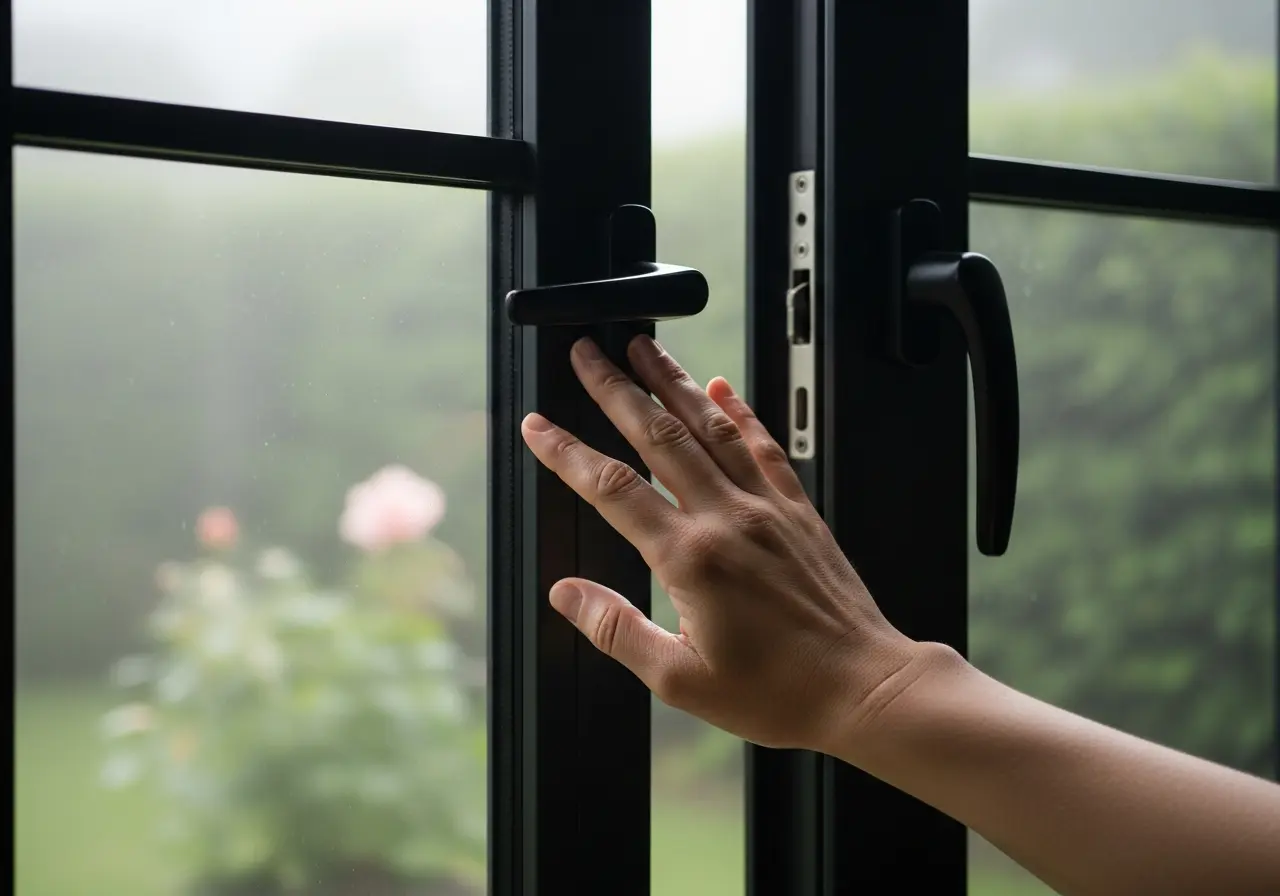
Open windows on opposite sides of the house for 5–10 minutes to create a complete air exchange without freezing the room.

Utilize Exhaust Fans:

If it’s too cold to open a window, run kitchen and bathroom fans to pull stale air out of the home.

Monitor Your Humidity:

Use a hygrometer to keep your room between 40% and 60% humidity to keep mucus membranes moist and functional.

Purify the "Sick Zone":

Use a dedicated air purifier in the bedroom to catch particles that simple ventilation might miss.

To help you put these ideas into practice, we’ve researched and selected a few highly-rated essentials that streamline this process and offer the best value for your home.

Highlighted Options

Levoit Core Mini Air Purifier

Levoit Core Mini Air Purifier

This compact unit is perfect for a nightstand, using HEPA filtration to grab allergens and irritants in small bedrooms.
GermGuardian HEPA Air Purifier

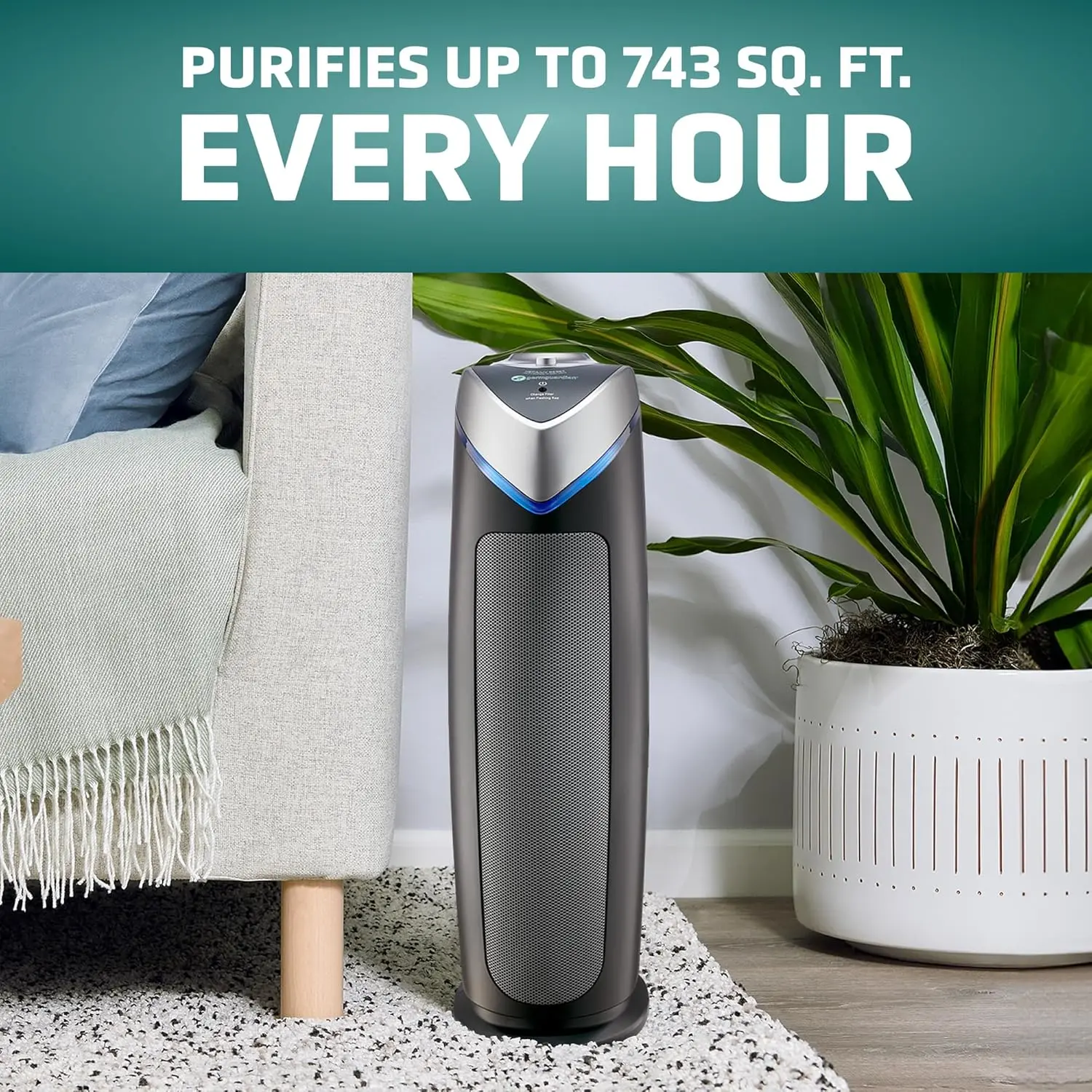
GermGuardian HEPA Air Purifier

A heavy-duty choice for larger living rooms, designed to capture microscopic airborne particles and reduce odors.
AROEVE Portable Air Purifier

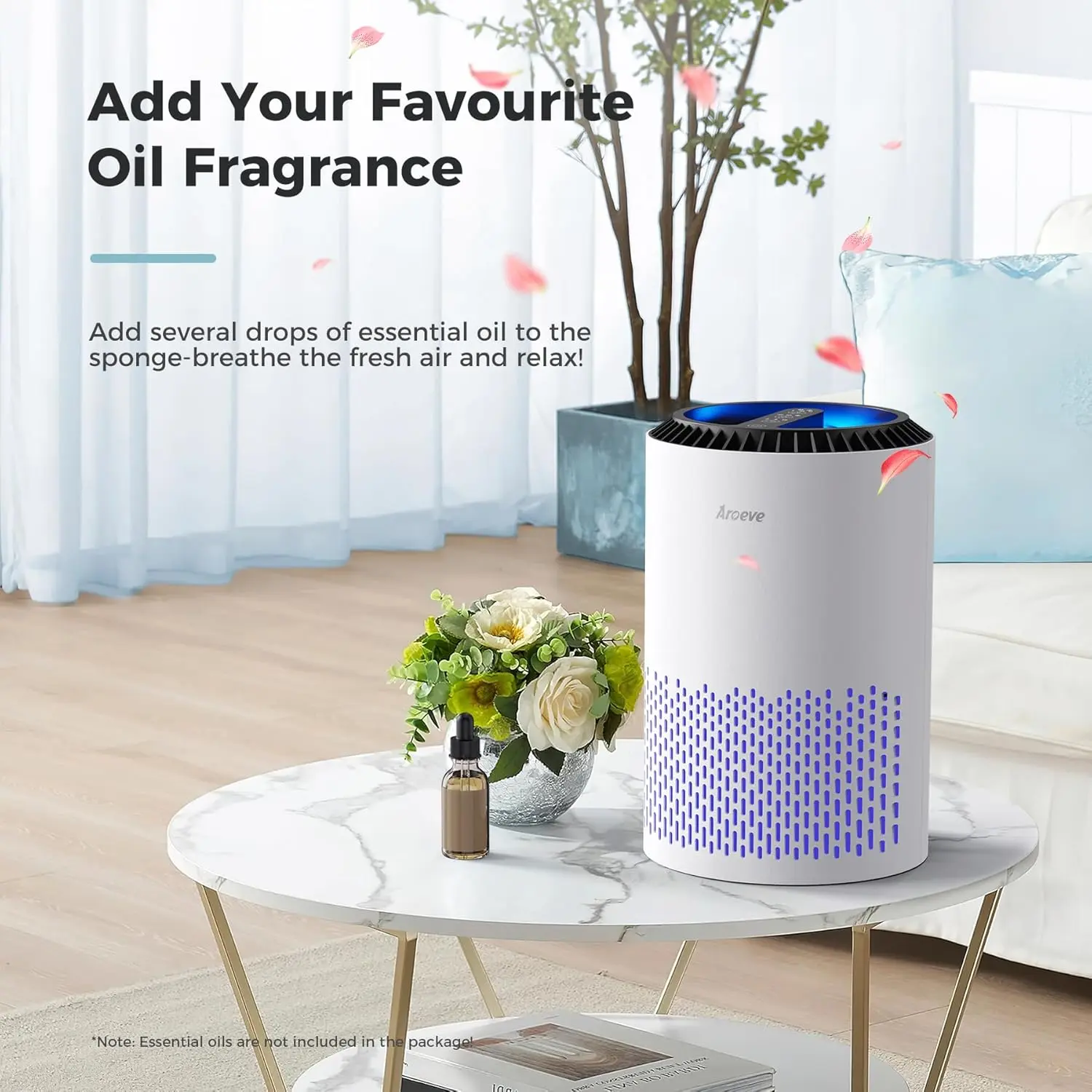
AROEVE Portable Air Purifier

A sleek, budget-friendly option that works wonders in home offices or kitchens where air can get particularly stagnant. "Sleep Mode Speed"
💡 Other Options to Explore

“While these highlighted options are popular choices, there are also alternative products worth considering that offer different features, brands, or approaches to suit your needs.”

Beyond the Highlights

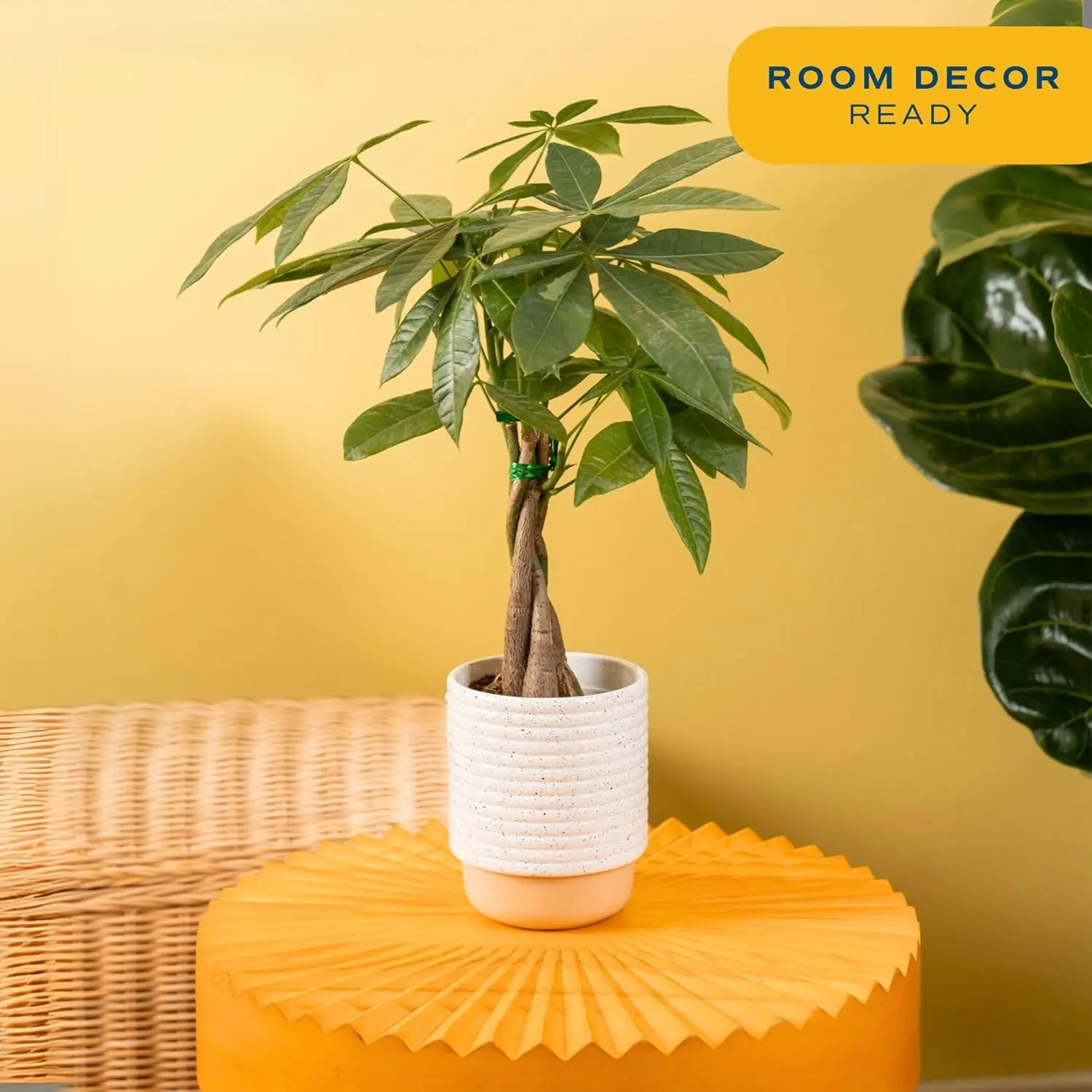
Costa Farms Pachira Money Tree

Costa Farms Pachira Money Tree

A hardy, pet-friendly plant that adds a touch of life and helps naturally filter indoor toxins. "partnered with Greg app"
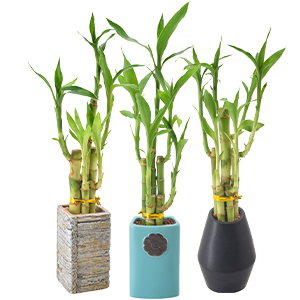
Arcadia Garden 5-Stem Lucky Bamboo

Arcadia Garden 5-Stem Lucky Bamboo

An incredibly low-maintenance way to bring greenery into a recovery space without needing a "green thumb."

DecoBlooms Premium Orchid

DecoBlooms Premium Orchid

Adds elegant color to a bedside table, providing a much-needed mental boost during a long week of recovery.

Quick Wins for Your Home

❓ FAQ

Qution #1 Can cold air make my flu symptoms worse?

A: Breathing very cold air can occasionally irritate a sensitive throat, but the “cold” itself doesn’t cause or worsen the flu virus. Keeping the air fresh but the body warm is the best balance.

A: Aim for a “flush” once or twice a day. Opening a window for just 10 minutes can replace the majority of the air in a standard-sized room.

A: They are a great supplement. While purifiers remove particles, they don’t replenish oxygen or remove carbon dioxide, which is why occasional fresh air is still vital.

  • Home Founding Media delivers trusted product reviews, buying guides, and smart shopping tips for every home.

Leave a Reply